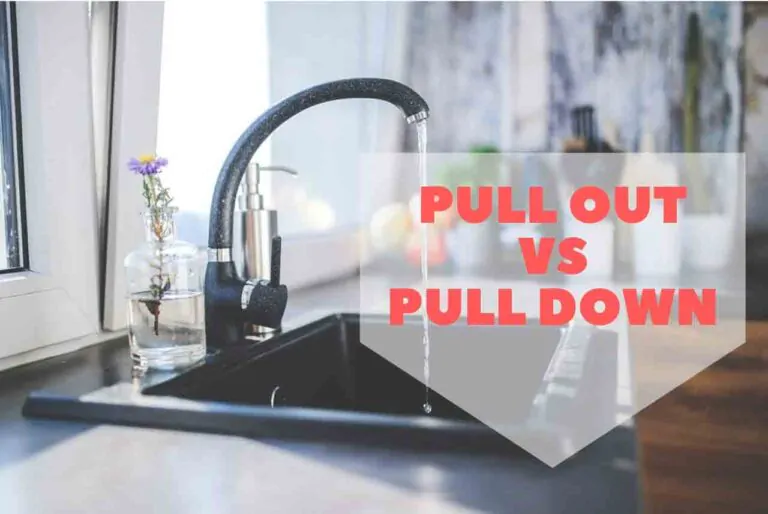
Pull-Down VS Pull-Out Kitchen Faucets

Pull down vs pull out kitchen faucets

Pull-down Kitchen Faucet
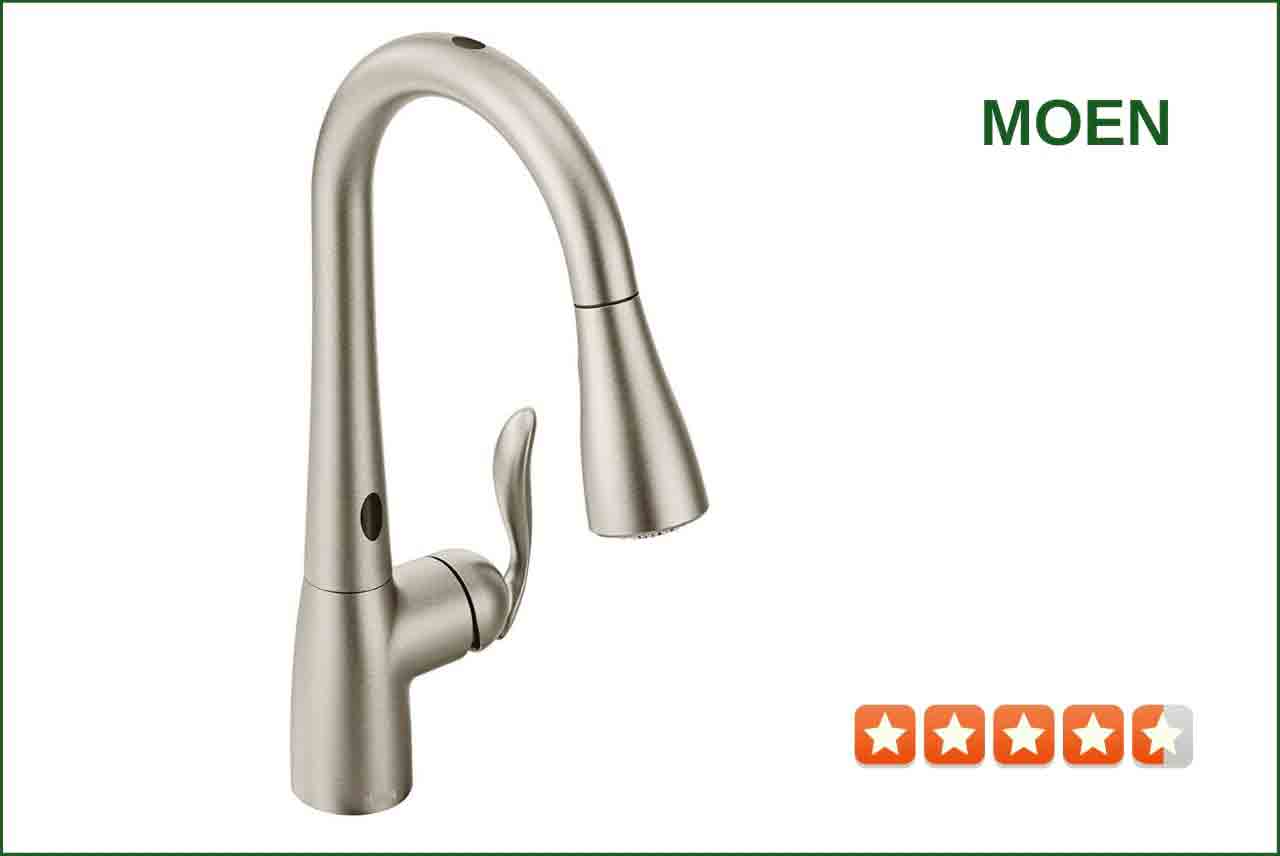
Moen 7594ESRS Pull-Down Kitchen Faucet

A pull-down faucet comes with a short sprayer that pulls down straightly into the sink. It helps to fall the water perfectly on the cleaning appliance. For this accurate water direction, people love this type of faucet.

The faucet is connected to an extendable tube and remains hanging. You can choose a pull-down kitchen faucet for an easy and convenient cleaning system.

Pros

    1. Enjoy the wide variety of spraying which helps to work faster.
    2. Choose a good model and get plenty of spray options.
    3. Fits perfectly to the deep kitchen sink.
    4. Perfect for filling bigger pans and pitchers.

Cons

    1. Extra height of the spouts may decrease the water pressure.
    2. Not a good choice for a small sink.

Pull-out Kitchen Faucet
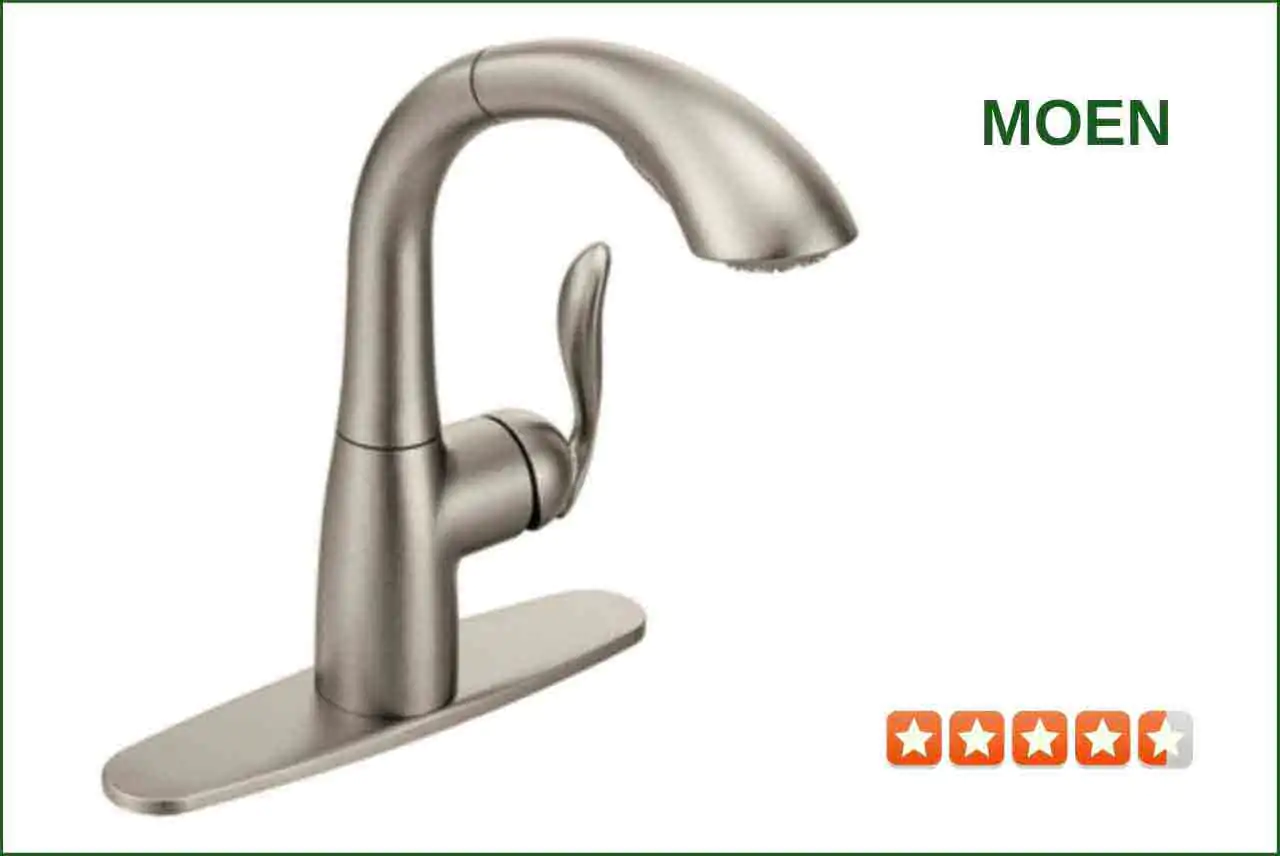
Moen 7294SRS Pull-Out Kitchen Faucet

Pull-out kitchen faucet features a faucet sprayer pulls out towards you. It uses the handle pulling system instead of the head pulling system. It is best for small skinks. Though this type hasn’t many designs, it ensures a wide range of motion.

Pros

    1. Comes with shorter spouts, that is best for the smaller sinks.
    2. Extendable handle doesn’t allow to splash excessively.
    3. Having a longer hose you can fill pots away from the sink.

Cons

    1. Doesn’t provide good gripping to the big handed people.
    2. Not appropriate for larger sinks.
    3. Doesn’t come with good numbers of designs.

Similarities Between a Pull-down and Pull-out Kitchen Faucets

The main function of the above two types of faucets is the same. There are differences but there are also similarities. At first, I will show you the similarities.

  1. Both of them are integrated with a high-pressure sprayer.
  2. Both of their hoses are extendable.

Dissimilarities Between Pull-down and Pull-out Faucets

1. Spout size

Pull-down faucets are integrated with taller spouts. Pull-out faucets come with shorter spouts.

2.Adjustability

Pull-down faucets are appropriate for larger sinks. On the contrary, pull-out faucets are appropriate for the smaller sinks

3. Designs

You will find lots of design of pull-down faucets. Pull-out faucets have limited models.

4. Pulling system

For the pull-down faucets, you need to pull the head but pull-out faucets come with a handle pulling system.

5. Space consumption

Pull-down faucets require more space than the pull-out system.

6. Ease of use

Pull-down faucets let the water drop more accurately than pull-out faucets. So, cleaning and washing are easier with pull-down faucets.

7. Water splash

Pull-down faucets drop water from a higher place than pull-out faucets. So the chance of splashing is higher in the case of pull-down faucets.

Faq's: Pull-down VS Pull-out kitchen faucet

It comes down to where the spray head goes. Pull-down faucets have a tall, high-arc spout and the head pulls straight down into the sink — think of it like a professional restaurant faucet. Pull-out faucets have a shorter, lower spout and the head pulls forward toward you. Same basic idea, very different feel in use. Pull-down faucets suit larger, deeper sinks. Pull-out faucets work better in compact kitchens where a tall spout would hit the cabinet above.

Neither is universally better — it genuinely depends on your kitchen. Pull-down faucets are more popular in the US right now and pair beautifully with the deep farmhouse and undermount sinks that are standard in most modern kitchens. Pull-out faucets shine in smaller spaces, older homes with shallower sinks, or anywhere cabinet clearance makes a tall spout impractical. The best one is whichever fits your sink depth and kitchen layout correctly.

Yes, you can swap between types during an upgrade — they connect to the same standard plumbing supply lines. The main things to check beforehand: does the new faucet match your sink’s mounting hole configuration, is there enough overhead clearance for the new spout height, and does the hose length work for your under-sink space. Measure before you buy and the swap itself is pretty straightforward.

They can, yes. Because the water is falling from a greater height in a pull-down faucet, there’s more chance of it bouncing off the sink basin and hitting the counter — especially in shallower sinks. Pull-out faucets sit lower so the splash radius is naturally smaller. The fix for pull-down splash is either choosing a model with adjustable flow settings or simply turning the water pressure down slightly when using the spray mode.

Pull-out faucets, clearly. The shorter spout clears low cabinets easily, the compact design doesn’t overwhelm a small sink, and the hose still gives you solid range of motion for rinsing and maneuvering around the basin. A tall pull-down faucet in a tiny kitchen with low overhead cabinets is just a constant frustration — the spout physically can’t clear the cabinet and the spray head has nowhere to go. Match the faucet to the space.

This is where pull-out faucets actually have an edge. The hose on a pull-out model is typically longer and pulls forward, so you can stretch it across to a pot sitting on the counter or stovetop — very useful when you don’t want to haul a heavy pot of water to the sink. Pull-down faucets are great for filling large pots in the sink, but the downward-only direction limits how far out of the sink you can reach.

Most modern versions of both types come with at least two modes — a steady stream for filling and a spray/rinse mode for cleaning. Higher-end models of either type may add a third mode like a wide fan spray or a pause button. This is one area where pull-down and pull-out faucets are genuinely equal. The spray functionality itself isn’t a deciding factor between the two — what matters is the spout direction and reach.

Pull-down faucets dominate the market, especially in the US. They’ve become the standard in modern kitchen design because they pair naturally with the deep, wide sinks that come in most new homes, they have far more design options, and they look sleeker and more high-end on the counter. That said, pull-out faucets have a loyal following among homeowners with older kitchens or compact layouts, and there are plenty of great pull-out options available from major brands.

Not really — the installation process is nearly identical for both. Both connect to the same hot and cold supply lines under the sink, both mount through the sink deck in the same way, and both take roughly the same amount of time. The only installation variable to pay attention to is the number of mounting holes your sink has, and making sure the new faucet matches that configuration. A confident DIYer can handle either type without a plumber.

Both use an extendable hose that retracts when you’re done — that’s one of their key shared features. The difference is in hose length and travel direction. Pull-down hoses are typically shorter since the head only needs to reach down into the sink. Pull-out hoses are usually longer to allow for that forward outward reach. Both types use either a counterweight or a magnetic docking system to snap the head back into place automatically on most modern models.

Final Thought

The main purpose of the article is the show up the features, advantages, and disadvantages of pull-down and pull-out kitchen faucets.

If you look at the American, most of them use pull-down faucets. It is good for home use and easier. If your kitchen is small having small sink then pull-out faucets will be a better choice.

Check out the similarities and dissimilarities again. Hopefully, you will get the solution of your problem after reading the article.

#KitchenFaucets #PullDownVsPullOut #FaucetComparison #KitchenDesign #HomeImprovement

People also search for

Best Reviews

Jump To

Share for your family & Friends

Facebook
Twitter
LinkedIn
Pinterest
Tumblr
Digg

Related Aticles

Leave a Reply

Your email address will not be published. Required fields are marked *