
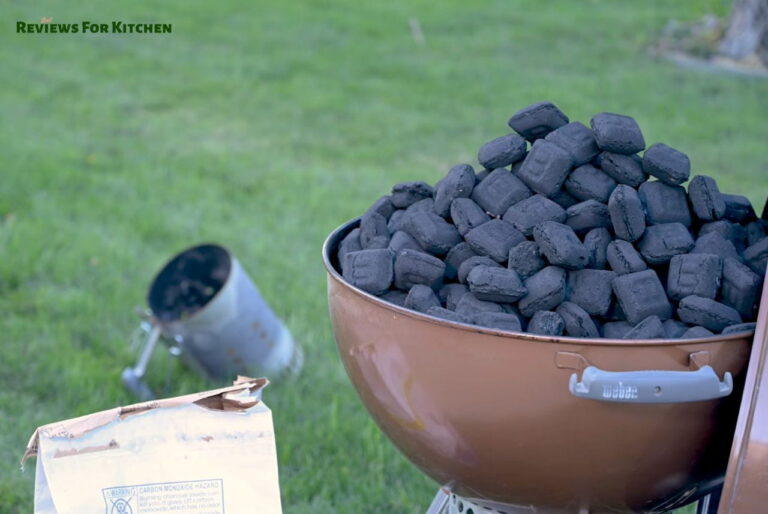
Picture this: it’s a Saturday afternoon, your friends are already in the backyard, you’ve got a rack of ribs ready to go — and your charcoal grill is running at 450°F when you need 250°F. You’re frantically lifting the lid, fanning the coals, wondering if you should just order pizza.
I’ve been there. More times than I’d like to admit, honestly.
Here’s the truth: learning how to control temperature on a charcoal grill is the single skill that separates a frustrating backyard experience from consistently great BBQ. It’s not magic, and it’s not complicated once you understand what’s actually happening inside that grill. But nobody really explains it clearly — most guides just say “adjust the vents” and call it a day.
This guide goes deeper than that. I’ll walk you through the science of heat management, how your vents actually work, how coal arrangement changes everything, and what to do when temperatures start getting away from you. Whether you’re doing a quick weeknight burger cook or a long weekend smoke, these principles apply to every charcoal grill out there — kettle, kamado, offset, you name it.
Let’s get your temps dialed in.
Key Takeaways Before You Start
- Your vents are the primary temperature control tool — more airflow = more heat
- The amount of charcoal you use sets your heat ceiling; vents fine-tune from there
- Two-zone grilling (hot side + cool side) gives you far more control than an even coal bed
- A reliable grill thermometer is non-negotiable — lid thermometers on most grills are wildly inaccurate
- Patience is the real skill — charcoal temps move slowly and need time to stabilize
- Wind, ambient temperature, and lid position all affect your heat more than most people realize
Why Charcoal Temperature Is So Hard to Control (And Why It Doesn’t Have to Be)
Charcoal grilling has a reputation for being unpredictable. And yeah, compared to flipping a gas burner knob, it takes more attention. But here’s the thing — once you understand the three factors that control charcoal heat, the whole thing starts to make sense.
The Three Levers of Charcoal Temperature
Every charcoal fire responds to the same three inputs: fuel amount, airflow, and coal arrangement. That’s really it. Every technique, every trick, every method you’ll read about in this guide comes back to manipulating one or more of these three things.
- Fuel amount — More charcoal = more potential heat. Less charcoal = lower ceiling temp. This is set before you light up.
- Airflow — Oxygen feeds the fire. Open vents = hotter fire. Closed vents = cooler, slower burn. This is your main in-cook adjustment tool.
- Coal arrangement — Coals piled together burn hotter and faster. Spread out, they burn cooler and more evenly. How you arrange them changes the heat profile entirely.
Why Your Grill Thermometer Is Probably Lying to You
Let me be real with you: the thermometer built into the lid of most charcoal grills is measuring the air temperature near the dome — not at the cooking grate where your food actually sits. That difference can be 50°F to 75°F on a standard kettle grill.
Do yourself a favor and grab a decent instant-read or probe thermometer that you can clip to the grate. According to Serious Eats’ testing on grill thermometers, grate-level temps are what actually matter for cooking results — and they’re often dramatically different from what the lid gauge shows. A $15-20 probe thermometer will change your grilling life.
The Wind Factor Nobody Talks About
Ever notice your grill running hotter on a breezy day? Wind funneling through your bottom vent acts like a bellows — it pushes extra oxygen into the fire and spikes your temps even with vents mostly closed. On a windy day, position the grill so the wind hits the side, not blowing directly into the bottom vent. Small adjustment, big difference.
How Vents Actually Work (And How to Use Them Properly)
If there’s one thing I wish someone had explained to me when I started grilling, it’s how vents work. Most beginner guides throw out “open vents for more heat” and leave it at that. But the relationship between your top and bottom vents is a bit more nuanced — and getting it right is the key to holding a steady temperature.
Bottom Vent vs. Top Vent: What Each One Does
On a standard kettle grill, you’ve got a bottom vent (intake) and a top vent (exhaust). They work together as a system.
- Bottom vent (intake): Controls how much fresh oxygen enters the fire. This is your primary heat control. More open = more oxygen = hotter fire. Nearly closed = starved fire = temps drop.
- Top vent (exhaust): Controls how quickly hot air and smoke exit. Keep this mostly open during cooking — you want smoke moving through, not getting trapped. Closing the top vent too much can make your food taste acrid and bitter from stale smoke.
General rule: use the bottom vent to control temperature, keep the top vent mostly open. Only use the top vent as a fine-tuning tool once your bottom vent is in the right range.
Vent Positions for Different Cooking Temps
Here’s a quick reference guide based on a standard 22-inch charcoal kettle with a full chimney of lit coals:
| Target Temp | Bottom Vent | Top Vent | Best For |
|---|---|---|---|
| 225°F – 250°F | 25% open | 25–50% open | Low-and-slow BBQ, ribs, brisket |
| 300°F – 325°F | 50% open | 50% open | Chicken pieces, pork shoulder |
| 350°F – 400°F | 75% open | 75% open | Burgers, sausages, vegetables |
| 450°F – 500°F+ | 100% open | 100% open | Steaks, direct searing |
These are starting points, not absolutes. Your specific grill, the outside temperature, your charcoal type, and how full the coal bed is will all affect the exact position you need. Use this table to get in the ballpark, then adjust from there.
The Golden Rule: Make Small Adjustments and Wait
Here’s where most people go wrong. They open or close the vent, don’t see immediate results, and immediately make another adjustment. But charcoal temperature doesn’t respond instantly — it takes 5 to 10 minutes for a vent change to actually show up on your thermometer.
Make one small adjustment, wait 8-10 minutes, then check and adjust again if needed. Chasing your temperature by constantly fiddling with the vents is the fastest way to never get it stable.
Charcoal Setup Methods That Change Everything
How you arrange your coals before you light them matters just as much as how you manage vents once you’re cooking. Different setups create fundamentally different heat profiles — and knowing which one to use is a huge piece of the temperature control puzzle.
Two-Zone Setup: The Method Every Griller Should Know
This is the technique that honestly transformed my grilling. Instead of spreading coals evenly across the bottom of the grill, you pile all your coals on one side and leave the other side completely empty. Now you have two distinct zones:
- Direct heat zone (over the coals) — hot, great for searing and getting a char
- Indirect heat zone (empty side) — cooler, oven-like environment for cooking through without burning
Two-zone grilling gives you a bailout option. Chicken thigh getting too dark? Slide it to the cool side. Burger not getting enough char? Move it directly over the coals. That kind of flexibility is almost impossible with a flat, even coal bed.
If you want to go deep on setting this up properly, I’ve got a full step-by-step post on how to set up two-zone grilling on a charcoal grill — it covers coal placement, vent settings for each zone, and which foods work best where.
The Minion Method: Low-and-Slow Temperature Control
For long cooks — think ribs, pork shoulder, brisket — the Minion Method is a game changer. Here’s how it works: you fill your charcoal area with unlit coals, then add a small amount of fully lit coals on top. The lit coals slowly ignite the unlit ones from the top down, extending your burn time dramatically and keeping temps low and steady.
Instead of a big burst of heat that fades, you get a slow, controlled burn that can hold steady temps for hours without adding more charcoal. With the right setup, you can hold 225°F to 250°F for 6-8 hours on a standard kettle. It’s the method America’s Test Kitchen recommends for long charcoal cooks, and once you try it, you’ll never go back to lighting everything at once for slow cooks.
How Much Charcoal to Use
This is the question I get asked most often, and the honest answer is: it depends on what you’re cooking. But here are solid starting points for a standard 22-inch kettle:
- Quick, high-heat cook (burgers, steaks): Full chimney of lit coals — about 100 briquettes
- Medium cook (chicken, sausages, veggies): Half to three-quarters of a chimney
- Long, low-and-slow (ribs, pork shoulder): Minion Method setup — 4-5 lbs unlit, top with 15-20 lit coals
The type of charcoal matters here too. Briquettes burn longer and more consistently, which makes them better for temperature control on long cooks. Lump charcoal burns hotter and faster, which is great for searing but trickier to hold at low temps. If you’re still figuring out which charcoal is right for your style of cooking, our guide on the best charcoal for long burn and temperature control breaks down the top options by cook type.
Temperature Ranges for Different Foods: A Practical Guide
Knowing how to control the temperature is only useful if you know what temperature you’re actually aiming for. Different proteins and foods need very different heat environments to cook properly — here’s a practical breakdown.
Low and Slow (225°F – 275°F)
This is the BBQ sweet spot for large, tough cuts that need time to break down. Collagen in cuts like brisket, pork shoulder, and short ribs converts to gelatin at around 160°F to 180°F — but that conversion takes time at low heat. Rush it with high heat and the outside is done before the inside has broken down properly.
- Brisket: 225°F for 12-16 hours (or longer)
- Pork shoulder/butt: 225°F-250°F for 8-12 hours
- Baby back ribs: 225°F for 5-6 hours
- Spare ribs: 225°F for 6-7 hours
Medium Heat (325°F – 375°F)
This range is your all-purpose indirect cooking zone — good for chicken pieces (especially bone-in thighs and drumsticks), whole chickens, and pork chops. Hot enough to develop color and crispiness, low enough to cook through without burning.
- Bone-in chicken thighs: 325°F-350°F, 35-45 minutes indirect
- Whole chicken: 350°F, 1-1.5 hours indirect
- Thick pork chops: 325°F, 25-30 minutes
High Heat (400°F – 500°F+)
Direct high heat is for searing and quick cooks. Steaks, burgers, hot dogs, fish fillets, vegetables. Bon Appétit’s grilling guide is a great resource on exactly how long different steak cuts need at different heat levels — but as a general rule, you’re cooking fast here, with full attention on the grill.
- Burgers (3/4 inch): 450°F-500°F, about 4 minutes per side
- Ribeye (1 inch): 500°F, 3-4 minutes per side for medium-rare
- Sausages: 400°F, 12-15 minutes, turning frequently
Troubleshooting: When Your Grill Temperature Won’t Cooperate
Even when you know all the right techniques, charcoal grilling throws curveballs. Here’s how to handle the most common temperature problems.
Temperature Is Too High and Won’t Come Down
This is actually the harder problem to solve — you can’t un-light charcoal. Here’s what to do:
- Close your bottom vent to about 25% or less
- Close your top vent to about 25%
- Wait 10 minutes — seriously, just wait
- If still too hot, close both vents further but don’t fully seal them (you’ll snuff the fire)
- Move your food to the indirect zone while temps stabilize
Prevention is easier than cure here. Use less charcoal when you’re unsure. You can always add more lit coals from a chimney starter — you can’t remove lit coals easily once they’re going.
Temperature Is Too Low and Won’t Come Up
This usually means one of three things: not enough charcoal, ash buildup blocking the vents, or your coals are dying out. Here’s the fix:
- Open both vents fully first and wait 5 minutes
- If that doesn’t help, clear ash from the bottom vent with the ash tool — clogged vents kill airflow
- Light additional coals in your chimney starter and add them to the grill
- Check that your lid is sealing properly — gaps let heat escape
Temperature Keeps Swinging Up and Down
Wild temperature swings usually come from making too many vent adjustments too quickly. Settle on a position, wait the full 8-10 minutes, then assess. Also check if your charcoal is wet or old — charcoal that’s been sitting in a damp garage absorbs moisture and burns inconsistently. Fresh, dry charcoal is far easier to control.
What Grill You’re Using Matters Too
Different grills handle temperature control very differently. A thick-walled kettle holds heat more consistently than a thin-gauge budget grill. Kamado grills are exceptional at holding steady temps because of their ceramic construction. If you’re in the market for a new grill and wondering how different designs compare, our breakdown of Weber Kettle vs Smokey Mountain: which is the better BBQ smoker and our PK Grill vs Weber comparison both dig into how their heat management characteristics differ in real cooking situations.
Pro-Level Tips for Holding Steady Grill Temps Like a Pitmaster
Once you’ve got the basics down, these are the habits that separate a good griller from a great one. I picked most of these up the hard way — hopefully you can skip some of that trial and error.
Always Use a Chimney Starter
Never, ever use lighter fluid. Beyond the chemical taste it can leave on your food, it gives you an uncontrolled fire spike at the start that’s hard to manage. A chimney starter uses newspaper (or a paraffin fire starter cube) to light coals evenly and consistently every single time. Coals are ready in 15-20 minutes — look for them to be mostly covered in gray ash. That’s your signal they’re at peak heat and ready to use.
Don’t Keep Opening the Lid
Every time you lift the lid, you’re releasing heat and disrupting the temperature environment inside. I used to do this constantly — peeking, checking, adjusting things — and wondered why my temps were all over the place. On long cooks, commit to checking every 45-60 minutes maximum. Use a probe thermometer with an external readout so you can monitor temps without opening the lid at all.
Account for the Ambient Temperature
Grilling in Minnesota in October is a very different experience than grilling in Texas in July. In cold weather, your grill loses heat faster through the metal walls, you’ll need slightly more charcoal and more open vents to maintain the same temperature. In hot summer weather, your grill holds heat more easily. Always expect to adjust — there’s no universal “set it and forget it” position that works in all conditions.
Know Your Grill’s Hot Spots
Every charcoal grill has hot spots and cooler zones that go beyond just the direct/indirect split. Usually the area directly above the vents runs hotter. The edges near the lid hinge are often cooler. Spend a cook or two just observing where your grill runs hot — it’s worth knowing before you’re trying to cook a perfect steak for company.
If You’re New to Charcoal Grilling Entirely
All of this is a lot to absorb at once when you’re just starting out. If you’re still in the “what grill should I even buy” phase, check out our guide to the best charcoal grills for beginners under $20 — getting the right starter grill makes learning these techniques a lot less frustrating.
Frequently Asked Questions
How do I lower the temperature on a charcoal grill quickly?
Close your bottom vent to 25% or less, partially close your top vent, and move your food to the indirect zone while you wait. Don’t expect instant results — give it 8-10 minutes for temps to drop. Adding less charcoal next time is the real fix.
Should I leave the lid open or closed when grilling with charcoal?
Closed for almost everything. A closed lid creates a convection oven effect that cooks food more evenly and efficiently. The only real exception is quick searing over very high heat, where some grillers prefer an open lid to prevent heat buildup.
How long does it take for charcoal to reach the right temperature?
After lighting in a chimney starter, coals are typically ready in 15-20 minutes — when they’re mostly covered in gray ash with glowing orange centers. Once in the grill, allow another 5-10 minutes with vents set appropriately before your grill reaches the target cooking temperature.
Why does my charcoal grill temperature keep dropping?
Most common causes: ash buildup blocking the bottom vent, not enough charcoal to start with, old or damp charcoal burning poorly, or the coals burning out and needing replacement. Clear the ash vent first — it’s the easiest fix and often solves the problem immediately.
Can I add more charcoal during a cook?
Yes — but add fully lit coals from a chimney starter, not raw unlit ones. Dumping cold charcoal onto a live fire drops your temperature and can create off-flavors as the coals light up. Keep a second chimney going if you’re doing a long cook and know you’ll need to add fuel.
How do I hold 225°F on a charcoal grill for hours?
Use the Minion Method: fill your coal area with unlit charcoal and add a small pile of lit coals on top. Close your bottom vent to about 25%, keep the top vent cracked, and let the slow ignition do its thing. This method can hold 225°F for 6-8 hours without adding charcoal.
Once You Get This, Charcoal Grilling Becomes a Whole Lot More Fun
Temperature control on a charcoal grill isn’t about having magic instincts — it’s about understanding the three levers (fuel, airflow, arrangement), making small adjustments patiently, and getting reps in until it becomes second nature. That first cook where everything holds steady and comes out perfectly? It’s genuinely one of the most satisfying things in backyard cooking.
Start simple. Set up two zones. Use a chimney starter. Watch your bottom vent. Give changes time to work before you adjust again. After a few cooks, you’ll stop thinking about it consciously — it’ll just feel natural.
If you want to go deeper, dive into our guides on Weber Kettle vs Kamado Joe to see how grill design affects heat management — or jump straight to two-zone grilling setup to practice the most useful technique in this entire guide.
Try it out on your next cook and let me know how it goes — drop a comment below. I always love hearing what’s working (and what isn’t) for people in the real world.
People also search for
- The Ultimate Smoker Buying Guide : Types, Tips & Best Picks for Every Backyard
- Weber Kettle vs Smokey Mountain: Which Is A Better BBQ Smoker?
- PK Grill vs Weber | Which Is The Better For Outdoor Cooking?
- How to control temp on offset smoker?
- Can You Use Pellets in a Charcoal Grill?
- Best 6 BBQ Temperature Controllers That Actually Work
- Weber Kettle vs Smokey Mountain: Which Is A Better BBQ Smoker?
One Response
Interesting take on mastering charcoal temps—totally spots the vibe of real kitchen performance. As I read, I kept thinking about how precise controls (vents, two-zone setup) map to running a beauty biz too: consistency, timelines, and quality results matter. In Suplery we see pro salons needing that same steady rhythm—inventory, orders, and a built-in shop all in one dashboard. If you’re a barber or esthetician aiming for flawless client experiences, this platform helps keep everything in check while you focus on craft. Quick thought: real-time stocktakes and wholesale pricing can save time and boost margins. Want smoother onboarding? Suplery offers a starter kit and service protocols to jumpstart operations.