Have you ever stood in your kitchen, trying to wash a giant roasting pan, and thought, “There has to be a better faucet for this”? I’ve been there more times than I can count. Your kitchen faucet isn’t just a fixture — it’s one of the most-used tools in your kitchen. And choosing the right one can make meal prep, cleanup, and even cooking a little more enjoyable.
In this Kitchen Faucets Buying Guide, I’ll walk you through everything I wish I knew before replacing my faucet — from different styles to installation tips, plus practical advice from someone who actually uses their kitchen every day. By the end, you’ll know how to pick the perfect faucet for your home, whether you live in the U.S. or Canada.
Types of Kitchen Faucets
When shopping for a new kitchen faucet, the first thing you’ll notice is how many styles there are. It can feel overwhelming, but here’s a simple breakdown:
1. Pull-Down Faucets
- The spray head pulls down directly into your sink.
- Great for deep sinks and washing large items.
- Ideal for those who love multitasking in the kitchen.
- You can check links:
Personal Note: I love my pull-down faucet because rinsing a big pot feels effortless — like having an extra hand.
2. Pull-Out Faucets
- The spray head pulls out towards you, usually on a short hose.
- Perfect for small sinks or compact kitchens.
- Handy for precise rinsing and filling pots at the counter.
- You can check links: Best Pull Out Kitchen Faucets For a Highly Productive Kitchen
3. Single-Handle Faucets
- One lever controls both water flow and temperature.
- Streamlined look, easy to use with one hand.
- May vary slightly in how smooth the handle feels depending on the brand.
4. Double-Handle Faucets
- Separate hot and cold water handles.
- Traditional style, gives precise temperature control.
- Can be slightly trickier to clean around the base.
Tip: Always check if the faucet comes with a deck plate for single-hole vs. three-hole sinks — it may vary slightly depending on the model.
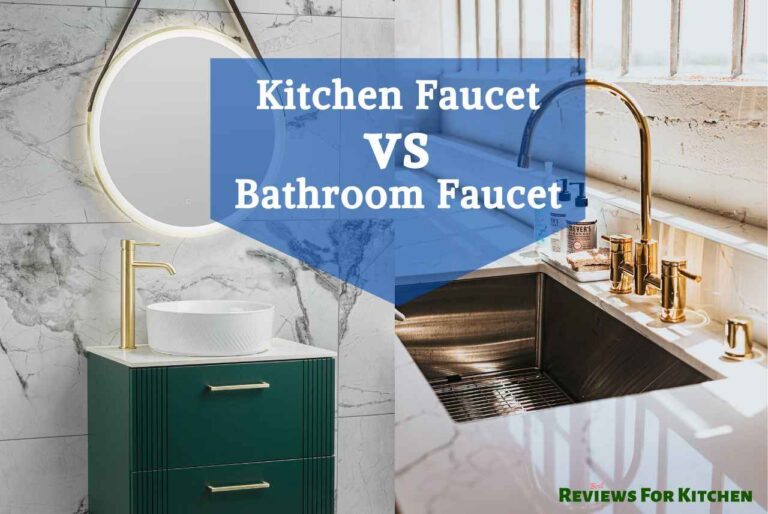
- You can check links Kitchen Faucet vs Bathroom Faucet – What’s The Difference?
Features to Consider
When picking a faucet, it’s more than just looks. Here are some key features to think about:
| Feature | Why It Matters | My Notes |
|---|---|---|
| Spray vs Stream Mode | Versatility for washing dishes vs. filling pots | I use spray for rinsing veggies, stream for filling water |
| Touchless / Motion Sensor | Hands-free convenience, reduces germs | Great if you cook messy meals often. Check out Best Touchless Kitchen Faucet for an Effortless Kitchen Experience! |
| High Arc vs Low Arc | Room for tall pots | I prefer high-arc for pasta and stock pots |
| Water Filtration | Cleaner drinking water directly from the faucet | Consider adding a Pur or Brita attachment. Learn more: How To Clean Pur Water Filter Faucet Mount? |
| Material / Finish | Chrome, stainless steel, matte black, etc. | Stainless steel resists fingerprints — I like it in my busy kitchen |
Pro Tip: Pull-down and touchless options are excellent for U.S. homes with busy kitchens, but check your water pressure first — low pressure can make these features less effective.
- You can check links: Best Kitchen Faucet for Low Water Pressure | Picks Worth Considering!
How to Choose the Right Faucet for Your Kitchen
- Consider Your Sink Size and Depth
- Large, deep sinks pair well with high-arc pull-down faucets.
- Small or shallow sinks may be better suited for pull-out faucets.
- Think About Your Kitchen Workflow
- Do you prep lots of fresh produce? Spray modes are a must.
- Do you fill large pots? Look for extra-long hose reach.
- You can check links: Flow of Excellence – Best Kitchen Faucet Reviews for Your Home
- Check Water Pressure and Flow Rate
- Most U.S./Canada kitchens have standard 40–60 psi water pressure.
- Low-pressure homes may need a faucet designed for that.
- You can check links: How to Repair Low Pressure in A Kitchen Faucet?
- Consider Installation
- Deck-mounted vs. wall-mounted faucets.
- Single-hole vs. three-hole mounts.
- Some models come with a pre-attached hose for easier DIY installation.
- You can check links:
- Material and Durability
- Brass and stainless steel are long-lasting.
- Avoid cheap plastics for parts that contact water directly.
Common Mistakes to Avoid
- Choosing style over function — don’t pick a faucet that looks good but doesn’t fit your workflow.
- Forgetting to measure the sink and countertop space — hose reach matters!
- Ignoring water pressure compatibility.
- Skipping reading about maintenance requirements — some finishes require extra care.
- You can check linksCluster links:
Cleaning & Maintenance Tips
Keeping your faucet clean not only makes it look great but also prolongs its life:
- Wipe daily with a soft cloth to prevent water spots.
- Deep clean aerators and spray heads once a month.
- Avoid harsh chemicals that can damage the finish.
- You can check links for guides:
- How To Care for A Kitchen Faucet
- How to Clean Kitchen Faucet – Basic and Deep Cleaning Process
- How to Clean Delta Pull Down Kitchen Faucet Aerator?
- How to Clean Delta Kitchen Faucet Head?
- How to Remove Aerator from Moen Kitchen Faucet? Unearth the Best Tricks!
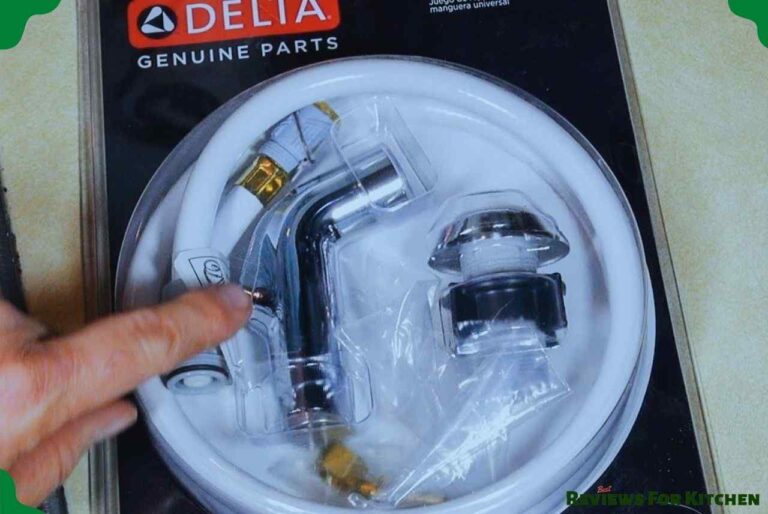
- How to Replace Delta Kitchen Faucet Sprayer Hose? – Real Solution!
Personal Note: I soak my faucet head in a vinegar solution every few months. It’s like giving it a mini spa day!
FAQ
1. Can I install a kitchen faucet myself?
Absolutely! If you’re comfortable with basic plumbing, most single-hole faucets are DIY-friendly. Always check instructions, and keep a wrench handy.
- You can check links: How To Replace a Kitchen Faucet | Replace it within an hour
2. What’s the difference between pull-down and pull-out faucets?
Pull-down faucets drop straight into the sink, great for large pots. Pull-out faucets extend towards you — better for smaller spaces.
- You can check links:
3. How often should I clean my faucet aerator?
Once a month is ideal, especially if you notice reduced water flow or mineral buildup.
- You can check links: How to Clean Delta Pull Down Kitchen Faucet Aerator?
4. Are touchless faucets worth it?
Yes, if you cook often or want a hands-free experience. But remember, they work best with adequate water pressure.
- You can check links: Best Touchless Kitchen Faucet for an Effortless Kitchen Experience!
5. Can I mix brands for faucet and sink accessories?
Usually yes, but make sure the sizes and mount types are compatible.
6. Why is my faucet water brown or cloudy?
Could be due to pipes or local water supply issues. Flushing the system or adding a filter often solves it.
- You can check links: Why Is The Water In My Faucets Brown And Cloudy? – Plumbing Solution
7. How do I fix low water pressure or leaks?
Check your hoses and aerators. Sometimes replacing the sprayer hose or tightening supply lines fixes the problem.
- You can check links:
Final Thoughts
Choosing the right kitchen faucet doesn’t have to be stressful. Think about how you cook, clean, and live in your kitchen. Measure carefully, consider your workflow, and pick a faucet that makes your life easier.
Once you have the perfect faucet, maintaining it is simple — wipe it daily, clean the aerator monthly, and enjoy that little upgrade every time you wash a pot or glass.
Try it out and tell me how it went! And while you’re here, check out my other tips for Top Pull-Down Kitchen Faucet Reviews and Discover the Best Rated Kitchen Faucets for Your Home — they might just inspire your next upgrade.