Introduction: The Struggle with Smelly Kitchens
Let’s be real, cooking isn’t just about great food—it’s also about the mess it leaves behind. Some meals leave you with delicious aromas, sure, but others? You’re stuck with smoke, grease, and stubborn smells that just won’t quit. If your range hood isn’t pulling its weight, those odors can take over your kitchen fast.
Picture this: you’re cooking on high heat, and suddenly the smoke alarm’s screaming and you’re waving a towel around like a maniac. You expect your range hood to clear the air, right? Good news—there are some easy ways to boost its suction and keep your kitchen smelling fresh.
How Range Hood Suction Works
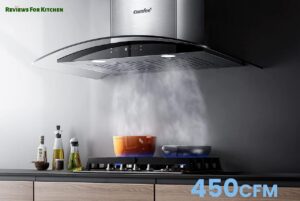
Range hoods suck up smoke, steam, grease—basically, all the stuff you don’t want floating around. Stronger suction means cleaner air, faster. But not every range hood is built the same. Some just aren’t cut out for heavy-duty cooking. Knowing how to give your hood a boost makes a big difference.
1. Clean or Replace Filters
Start here. If your hood’s not working well, the filters are probably clogged with grease and grime. That buildup chokes airflow and kills suction. Cleaning or swapping them out is a quick fix.
How to Clean Your Hood Filters:
- Unplug the hood.
- Pop out the filters (usually metal mesh or charcoal).
- Soak them in hot, soapy water for about 15 minutes.
- Scrub the grease off with a brush or sponge.
- Rinse, dry fully, and pop them back in.
If the filters are too far gone, just replace them. You can find new ones at most appliance stores or online.
2. Check the Ductwork for Blockages
Even with clean filters, gunk can collect in your ductwork over time. Grease, dust, and debris build up inside, slowing everything down. Regular checks keep the air moving.
What to Do:
- Look inside the ducts for obvious clogs.
- If you can reach, clean them out with a vacuum or brush.
- If things look really bad, call in a pro for a deep clean.
3. Upgrade the Motor or Fan
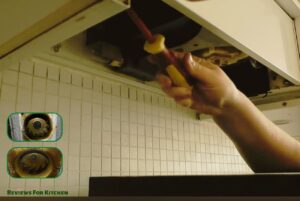
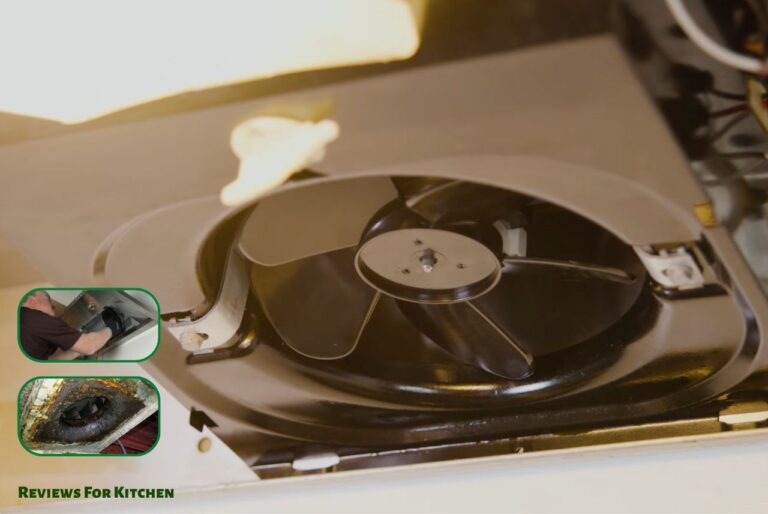
If your hood’s old, the motor or fan might be wearing out. That means weak suction, no matter how clean everything is. Swapping in a more powerful motor or better fan blades can make a huge difference.
What to Do:
- Look for a motor with a higher CFM (Cubic Feet per Minute) rating.
- Some hoods let you upgrade to larger or more efficient fan blades.
- Not a DIY type? Hire a pro to handle the upgrade.
4. Make Sure Your Range Hood Is the Right Size
Size matters here. Too small, and it just can’t keep up. Too big, and you’re wasting energy. The goal is a hood that actually matches your cooking space.
How to Pick the Right Size:
- Make sure the hood covers your whole cooking area.
- Check the CFM—most kitchens do well with 400-600 CFM.
- Double-check the manufacturer’s sizing guidelines before you buy.
5. Try a Ductless Range Hood
No vent? No problem. Ductless hoods use charcoal filters to trap smoke and odors. They don’t send air outside, but they do help clean things up when venting isn’t an option.
Tips for Ductless Hoods:
- Swap out or clean the charcoal filters every 6 to 12 months.
- Go for a quality brand—cheap ones don’t filter as well.
- Keep a window cracked if you can, just to help things along.
They’re not as strong as vented hoods, but they’re a solid choice for apartments or kitchens without outside vents.
Common Mistakes to Watch Out For
Skipping Regular Cleaning:
Dirty filters and ducts tank your hood’s performance. Clean them regularly, or your hood won’t do its job.
Turning the Hood on Too Late:
Don’t wait until your kitchen’s full of smoke. Turn the hood on before you start cooking.
Using the Wrong Size Hood:
A tiny hood won’t keep up in a big kitchen. Make sure you’ve got the right fit.
FAQs
- Can I clean my range hood without pulling out the filters?
You really need to remove the filters to do a good job. That’s where the grease hides, and you want to clean underneath them, too. - How often should I clean my range hood?
Clean the filters every month or two. Wipe down the hood itself at least once a year. - Why is my range hood still noisy after I’ve cleaned it?
Noise usually means something’s worn out or the fan’s off-balance. Check for loose parts or damaged blades. Sometimes, a replacement is the answer. - 4. Can I use a range hood without a duct system?
Yes, you can use a ductless range hood, but it won’t be as powerful as a ducted one. Regular filter replacement is key for good performance.
Conclusion: Breathe Easy in Your Kitchen
Now that you’ve got the hang of boosting your range hood’s suction, you can cook without stressing about smoke or stubborn smells hanging around. A little regular maintenance goes a long way—your range hood will keep your kitchen feeling clean and fresh, just like it should.
Try out these tips and see the difference for yourself. If you come across any tricks of your own, or just want to share how things turned out, I’m all ears.
Enjoy your time in the kitchen!