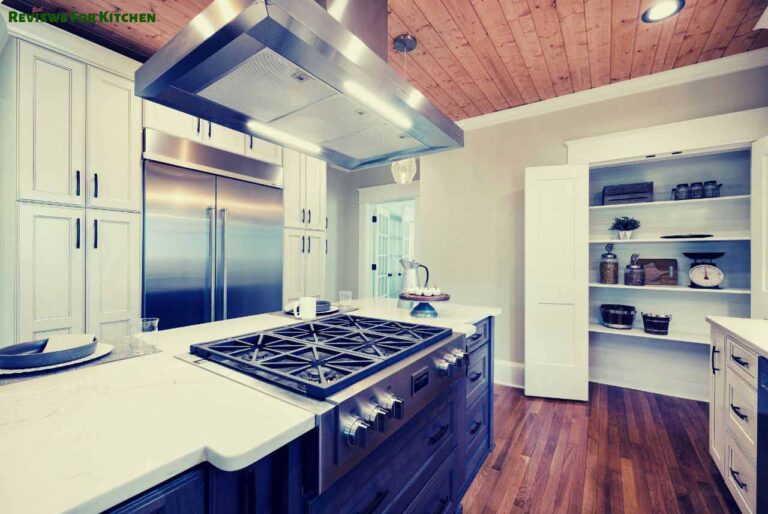
I love cooking in my kitchen. Sometimes it smells like the food I made the night before. I am sure you have been in this situation too. I really like trying out recipes but I also want my house to smell fresh and clean. That is why I think a good range hood is very important.
A range hood that actually vents air outside can make a difference in the air quality of my kitchen. But there are many options out there so how do I choose the right one for my kitchen? Do not worry I will help you with that.
In this post I will tell you everything you need to know about selecting the best range hood from sizing and installation to features that will help you keep your kitchen fresh while you cook. Let us get started.
Why You Need a Range Hood in Your Kitchen
When I think about kitchen appliances I usually think about my oven, fridge or coffee maker.. The range hood is often something I forget about. The thing is, when I am cooking, steam, grease, smoke and odors all get into the air. If I do not have a good range hood all those smells and particles stay in my kitchen.. Who wants to live in a house that smells bad?
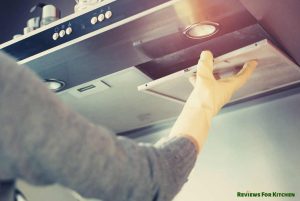
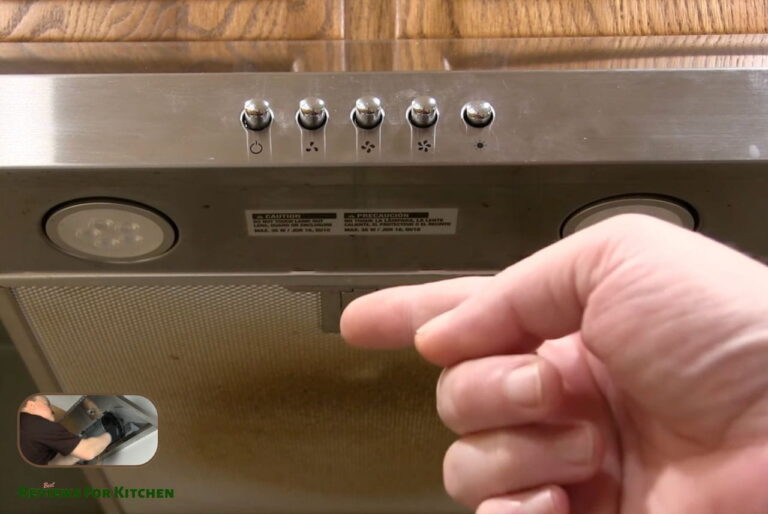
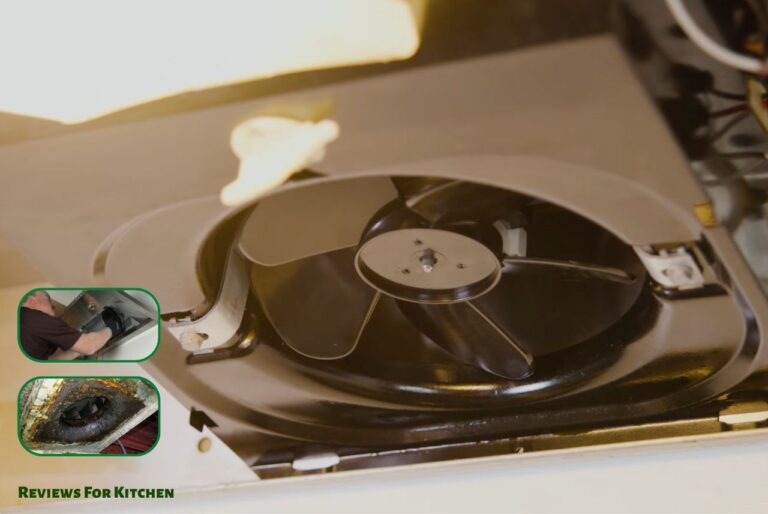
A range hood does what its name says: it pulls air up from my stove and vents it outside taking all the smells, heat and humidity with it. Without a good range hood all those cooking odors get trapped in my home. Over time this can cause residue on my cabinets, sticky walls and the smell of last nights dinner to linger. I do not want that to happen.
What to Consider When Choosing the Best Range Hood
Now that you know why a range hood is important let us break down how to pick the one for your kitchen. It is not that hard. Just keep a things in mind and you will be all set.
1. Size Matters. Choose the Right Hood for Your Range
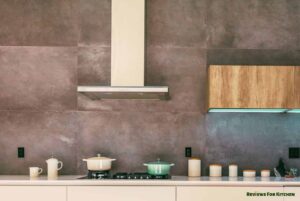
The size of my range hood is very important. The hood needs to be the width as my stove to catch all the steam, smoke and odors. If my range hood is too small it will not work properly. If it is too big it will be a waste of space.
Measure your stove width: Measure my stove: Most stoves are 30 or 36 inches wide. My range hood should be the width to work well. If I have a stove my range hood should be bigger too.
Consider the height: Consider the height: The hood should be 24-30 inches above my cooktop. It is always an idea to check what the manufacturer says to get it just right.
2. Fan Power: CFM
The fan power is measured in CFM. The higher the CFM, air it can move. It is important when I am cooking smoky food.
Low CFM: If I have a kitchen or do not cook much a lower CFM is fine.
Higher CFM: If I cook a lot or have a kitchen I need a higher CFM. This will help my range hood keep up with the steam, smoke and odors.
When I cook a meal, I turn fan up high. It really helps clear air.
To understand how duct size and ventilation affect CFM requirements, check out this detailed range hood buying guide on Forbes Home Improvement.
3. Noise Level. Do Not Sacrifice Quiet for Power
I do not like a fan when I am trying to talk or eat. While powerful range hoods can be loud I do not have to settle for a noise.
Sones: The noise level is measured in sones. For a kitchen I look for a range hood with a low sones rating.
Soundproofing: I check if the range hood has soundproofing features. If my kitchen is open to my living room this is important.
4. Type of Venting: Ducted vs Ductless
There are two types of range hoods: ducted and ductless.
Ducted: This is the option because it vents air outside. If I can install ductwork ducted hoods are usually better at removing odors and steam.
Ductless: If I cannot vent outside ductless models recirculate the air through filters to remove odors. They are not as powerful. They can still help.
I think ducted hoods are the best. If I have the option I recommend going with a ducted hood.
Here are the Best 5 Vented Range Hoods for Your Healthy Kitchen Environment
Installation: What You Need to Know
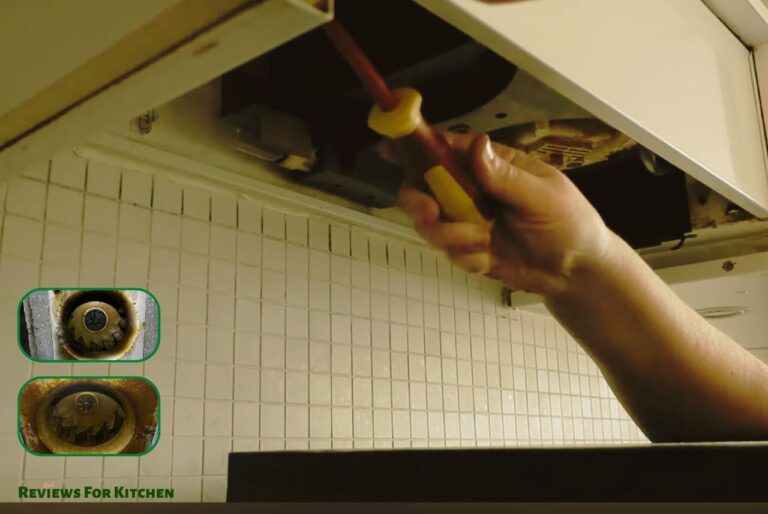
Once I choose the perfect range hood it is time to install it. This could be a DIY project or something I need to hire a pro for.
DIY Installation: If I am handy and my kitchen is already set up for a range hood I might be able to install it myself. I just need to follow the instructions.
Professional Installation: If my kitchen needs ductwork or I am installing a complex range hood I might need to hire a pro. It can be tricky if I am not familiar with ventilation systems.
Common Mistakes to Avoid When Choosing a Range Hood
Choosing the size: If my hood is too small it will not work properly. If it is too big it will be a waste of space.
Ignoring the noise level: I might not think about this when shopping. I do not want a loud fan.
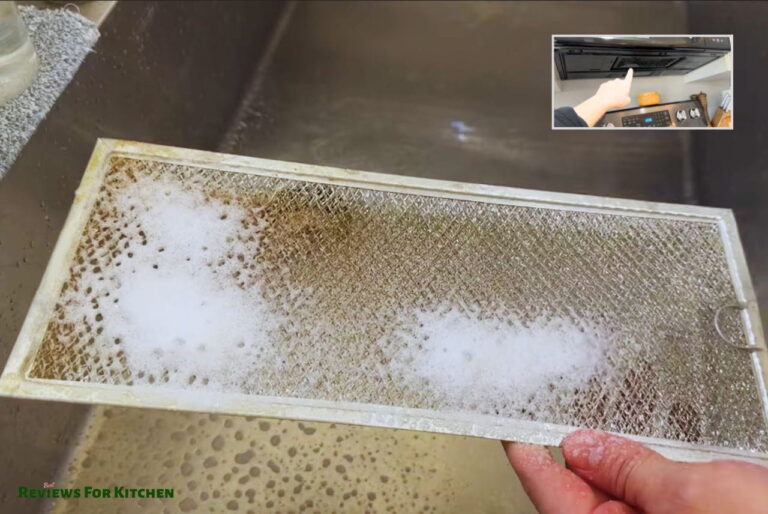
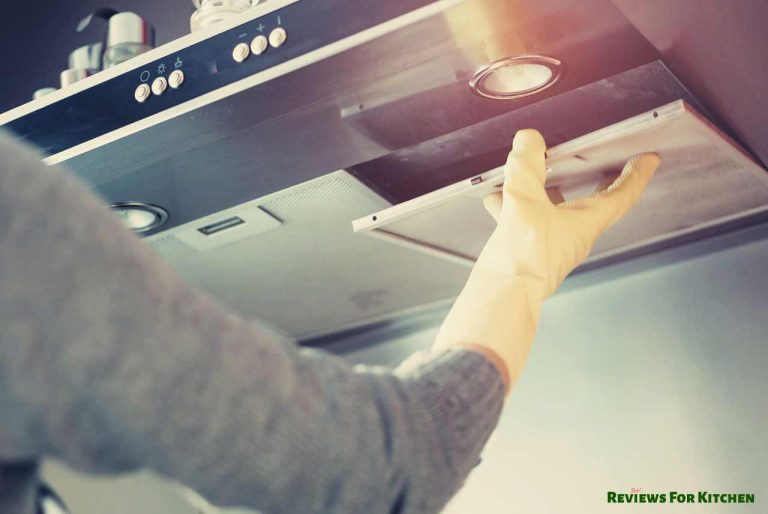
Not considering maintenance: Some hoods need cleaning than others. I need to make sure the filters are easy to clean and replace.
For formal ventilation standards and guidelines, see this U.S. Department of Energy kitchen ventilation report.
Quick Summary: Key Takeaways
Match the size: My range hood should be least as wide as my stove.
Choose the fan power: I need a higher CFM if I cook often or have a bigger kitchen.
Think about noise: I want a range hood with a low sones rating.
Go for ducted if possible: Ducted range hoods are the best.
FAQs
What is the best CFM for a range hood?
For average home cooking, 300-600 CFM is sufficient. If you frequently fry, sear, or use multiple burners simultaneously, aim for 600-900 CFM. A simple rule: 100 CFM per linear foot of cooktop.
Can I install a range hood without ducting?
Yes. Ductless (recirculating) hoods filter air through charcoal/grease filters and release it back into the kitchen. They remove odors and grease but are less effective at removing heat and moisture than ducted models.
How often should I clean my range hood?
Clean grease filters every 1-3 months, depending on cooking frequency and oil use. Wipe down fan blades and exterior monthly to prevent buildup. Metal filters can often go in the dishwasher.
Can I install a range hood myself?
Yes, if your kitchen already has existing ductwork and wiring and the new hood fits. For new duct runs or electrical work, it’s safer to hire a professional. Always ensure proper leveling and secure mounting.
Final Verdict:
Choosing the best range hood might seem hard at first. Once I understand the basics it is easy. Whether I am frying bacon or making a stir-fry a good range hood keeps my kitchen fresh and clean. I just need to remember the size, power, noise and venting type that will work best for my kitchen.
Now go ahead. Find the perfect range hood for your kitchen. I am sure you will be happy, with the result. Try it out. Let me know how it goes.