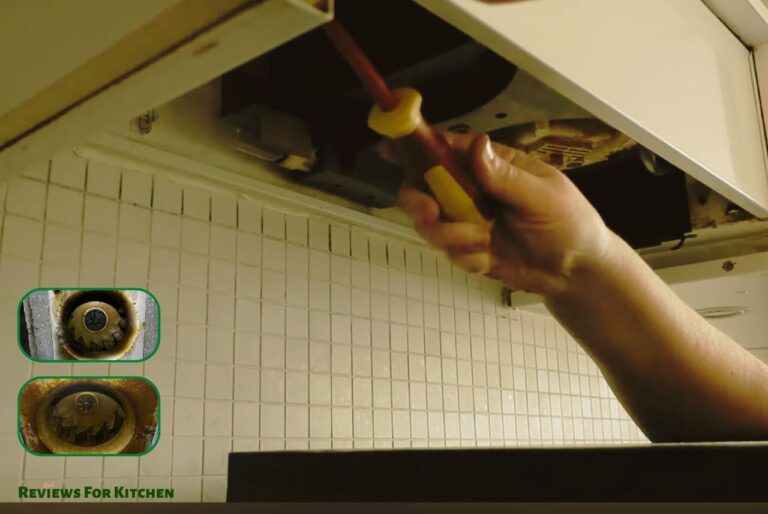

Let me set the scene. It’s a Sunday night, cold outside, and I’m in the kitchen tossing together my absolute favorite beef stir-fry. Ginger, garlic, soy sauce—the works. Everything smells amazing, but there’s one problem I can’t ignore: my range hood isn’t pulling its weight. Smoke hangs in the air. The kitchen feels like a sauna. I’ve got the hood cranked up, but it’s not venting. I’m sweating, getting annoyed, and starting to wonder what’s going on.
I’ve been through this before, and honestly, it’s a pain. You never really think about your range hood until it stops working. But here’s the good news: fixing a range hood that isn’t venting right is actually pretty straightforward. After a bunch of Googling and a bit of trial and error, I figured it out. Let me walk you through what worked for me—maybe it’ll help you breathe easier in your own kitchen too.
What’s a Range Hood For Anyway?
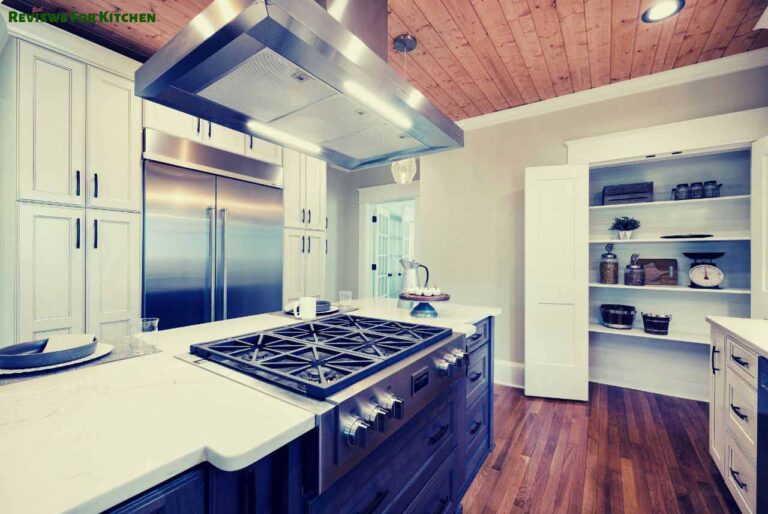
If you’re not totally sure what a range hood does, you’re not alone. Think of it like your kitchen’s personal air cleaner. It sucks up smoke, steam, grease, and all those lingering food smells, then either vents them outside or filters them if you’ve got a ductless setup. It’s like having a silent helper keeping everything fresh.
And when it’s working, you barely notice it. But when it’s not? Oh, you’ll know. Whether you’re frying, grilling, or just boiling water, a good range hood keeps your kitchen from turning into a smokehouse.
How I Fixed My Range Hood (And How You Can Too)
Let’s be real—a range hood that won’t vent is annoying, but you can usually sort it out yourself. Most of the time, it’s something simple.
Step 1: Check the Filters
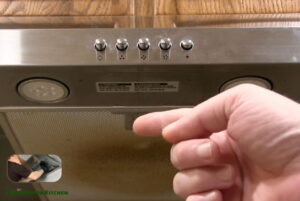
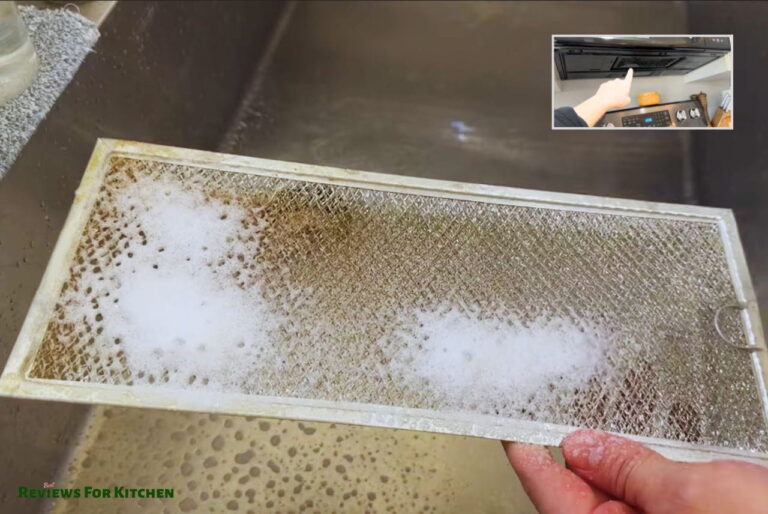
Those filters? They do a ton of work, catching grease and smoke before it spreads. When they’re clogged, your range hood can’t keep up. Most hoods use either mesh or charcoal filters.
Here’s what I did:
- Slid the filters out—super easy.
- Scrubbed the mesh ones with warm, soapy water.
- If they looked beyond saving, I just replaced them.
After a good cleaning, my range hood sounded different. The airflow was way better.
Step 2: Look at the Ductwork
If your range hood vents outside, the ducts can get pretty gross over time. Grease and random debris love to collect in there.
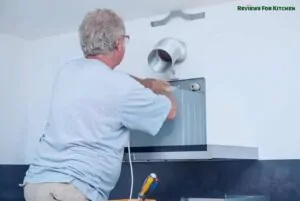
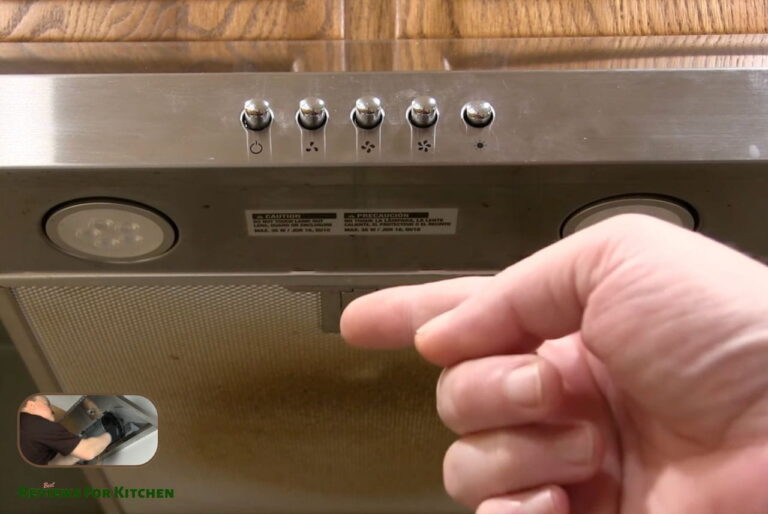
I made sure the power was off, then checked the duct for blockages. Sometimes you can reach in and pull out old grease or leaves. Clean ducts make a huge difference.
Related: Learn more about range hood maintenance here.
Step 3: Check the Fan Motor
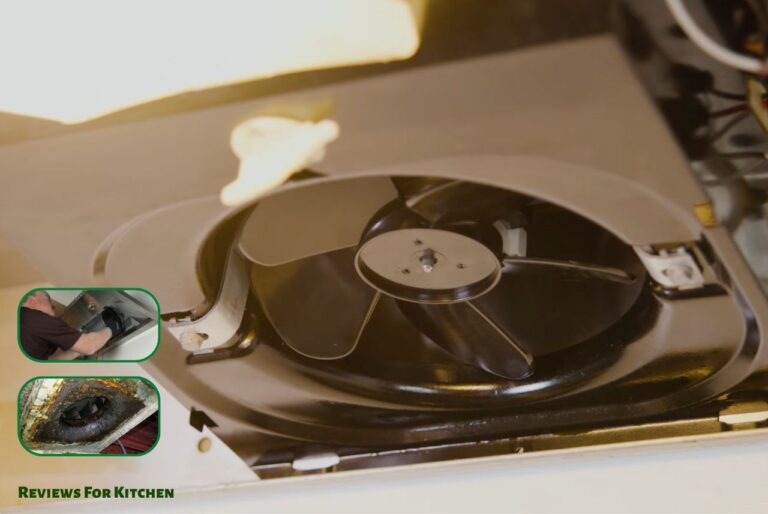
Now, this part’s a little trickier, but still doable. The fan motor is what really keeps air moving. If your hood is making weird noises or isn’t pulling much air, the motor could be the culprit.
Here’s what I did:
- Turned off the power, popped off the fan cover.
- Looked for any damage or stuck blades.
If it all looked okay but was still sluggish, I cleaned it up. If it’s totally dead, you’ll probably need a new motor.
Step 4: Don’t Forget the Outside Vent
Sometimes the problem’s outside. Birds, leaves—even ice in winter—can block the vent.
I checked the vent cover outside my house, cleared out anything in the way, and made sure the flap could open. No more blockages, no more smoke inside.
Living With a Range Hood: The Good and the Not-So-Good
Why even bother with a range hood? Here’s my take:
Pros:
- Keeps the air clean—no more smoke or lingering cooking smells.
- Stops grease from building up on your cabinets and counters.
- Makes cooking smoky stuff way less stressful.
Cons:
- Some can be loud (though the newer ones are way quieter).
- You have to clean the filters and ducts sometimes.
- Good ones can be pricey, but honestly, they’re worth it if you love to cook.
Bottom line: if your range hood’s acting up, don’t panic. With a little time and elbow grease, you can get it working again—and your kitchen will thank you.
Pros and Cons of Range Hoods (From Real Use)
So, why bother with a range hood in the first place? Let’s break it down based on my experience:
Pros:
- Keeps air clean: Eliminates smoke, steam, and cooking odors.
- Prevents grease buildup: Helps keep your kitchen cleaner by catching grease before it settles on your counters and walls.
- Improves kitchen ventilation: Perfect for when you’re making smoky foods like bacon or stir-fry.
Cons:
- Can be noisy: Some range hoods are loud — but don’t worry, newer models are much quieter!
- Requires maintenance: Filters and ducts need cleaning to keep things running smoothly.
- Can be expensive: Higher-end models with advanced features can cost a pretty penny, but if you get the right one, it’s worth the investment.
Building America Solution Center — Kitchen Exhaust Retrofit Duct Guide
A detailed resource on how kitchen exhaust systems should be installed and vented, including range hoods and exhaust fans, to improve indoor air quality and proper venting. 🔗 click here
Tips, Mistakes, or FAQs About Range Hoods
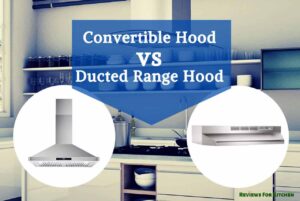
Do I need a ducted or ductless range hood?
- Ducted is best if you can vent outside. It’s more effective, but requires installation work.
- Ductless is great for apartments or places where venting outside isn’t an option, but it needs frequent filter changes.
How often should I clean my range hood filter?
- Clean your filter every 1-2 months, or sooner if you use your range hood a lot.
Is a range hood worth it in 2026?
- Absolutely! If you cook often, a range hood is worth the investment — it keeps your kitchen cleaner and air fresher.
Final Verdict
Fixing a range hood that’s not venting properly isn’t the end of the world, trust me. With a little effort and some basic maintenance, your range hood can be working like new again in no time. If you’re still shopping for a range hood, be sure to check out my top picks above!
Got a range hood repair story? Drop a comment below and let me know what worked for you. Or, if you’re on the hunt for more home tips, subscribe to my email list for the latest advice and product reviews straight to your inbox.