I spent way too long researching range hood brands before my first purchase. I was convinced that paying more meant getting better quality. I read reviews. I compared specs. I drove myself crazy trying to figure out which brand was “the best.”
What I eventually learned is simpler than all that overthinking: brand reputation matters, but it’s not everything. Some of the best vented range hood brands are mid-priced. Some expensive brands don’t perform better than their cheaper competitors. And some budget brands surprise you with solid reliability.
This guide breaks down what actually matters when choosing a range hood brand. We’ll talk about reputation, warranty support, reliability, and value. By the end, you’ll understand which brands are worth considering and why. More importantly, you’ll know how to evaluate a brand beyond just the name on the box.
Quick Summary: What Makes a Good Range Hood Brand
- Strong warranty coverage — Brands confident in their products back them with solid warranties (3-5 years minimum)
- Reliable motor and components — Some brands have reputation for motors that last; others wear out quickly
- Available replacement parts — A good brand sells filters, dampers, and other parts for years after purchase
- Customer service responsiveness — When something breaks, can you actually reach the company and get help?
- Consistent performance across price points — Best brands maintain quality even in their budget models
- Honest marketing — No inflated CFM claims or misleading specifications
- Installation support — Some brands offer helpful resources; others leave you hanging
Why Brand Actually Matters (And When It Doesn’t)
Let me be honest: brand isn’t everything. A no-name hood with solid specs might outperform a famous brand. But brand does matter in meaningful ways that affect your experience after purchase.
A reputable brand means:
Better warranty coverage. Cheap brands often have skimpy 1-year warranties. Good brands offer 3-5 years. If something fails in year two, you want to be covered.
Available parts and support. Five years from now, when you need a replacement damper or a new set of filters, good brands still sell them. Obscure brands? Good luck finding parts. You might end up replacing the whole hood when a $40 part would’ve fixed it.
Consistent quality control. Established brands have quality standards. That doesn’t mean they never fail, but it means failures are less common and usually fixable under warranty.
Customer service that actually helps. When you call a good brand with a problem, someone answers. They know the product. They can troubleshoot with you or arrange warranty service. Bad brands? You get voicemail and never hear back.
That said, brand name alone doesn’t guarantee quality. An expensive hood from a premium brand might use the same motor as a mid-range option. What you’re sometimes paying for is design aesthetics and marketing, not performance.
Budget Brands: When They Make Sense
There are solid, affordable range hood options that deserve serious consideration. Budget doesn’t always mean cheap junk.
Brands Worth Considering in the Budget Range
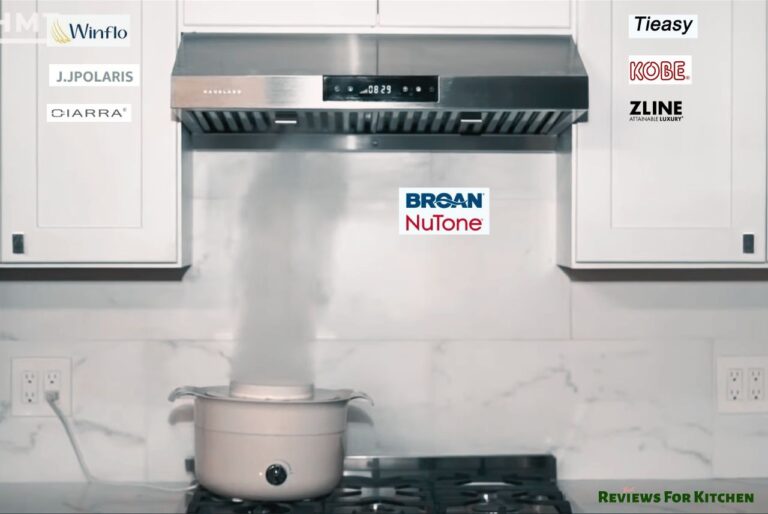
Broan: One of the oldest range hood manufacturers in North America. Their budget models are solid—nothing fancy, but reliable. Filters are easy to find, parts are available, and warranty is reasonable. Good value if you want something simple that works.
Nutone: Often confused with Broan (they’re related companies), Nutone makes dependable budget hoods. Nothing trendy, but dependable. Parts availability is excellent since they’ve been around forever.
Cosmo: Newer brand but gaining traction. They focus on stainless steel design at lower price points. Quality is decent, but their customer service reputation is mixed. Good if you want looks without premium pricing.
Why Budget Brands Can Work
If you’re renting, in a budget remodel, or just want functional ventilation without premium features, a budget brand makes sense. You’re not overspending on features you won’t use. Basic is fine if basic is what you need.
The catch: Budget brands often skimp on build quality. Motors might be louder. Filters might be pricier to replace. Warranty is shorter. But if you’re okay with basic functionality and occasional maintenance, you can make it work.
Mid-Range Brands: The Sweet Spot for Most Homeowners
Here’s where I’d recommend most people shop. Mid-range brands offer the best balance of quality, features, and value. You’re not overpaying for luxury you don’t need, but you’re getting something that’ll last.
Brands to Consider in the Mid-Range
Zephyr: California-based, they focus on quality construction and design. Their hoods are pricier than budget options but reasonable compared to ultra-premium brands. Warranty is solid (limited lifetime on parts), customer service is responsive, and filters are widely available. Good choice if you want reliability without breaking the bank.
Ductless King: Despite the name, they make good ducted options too. Known for quiet operation and efficient fans. Mid-range pricing with good reliability. Parts are easy to find online.
Winflo: Budget-conscious brand that punches above its weight. Their hoods work well, look decent, and won’t empty your wallet. Less warranty coverage than premium brands, but parts availability is good.
Why Mid-Range Often Wins
Mid-range brands give you adequate warranty (3-5 years), reasonable pricing ($400-800), and parts availability. They’re boring enough to be reliable—they’re not trying to be trendy or overly complicated. They just work.
According to America’s Test Kitchen, in their kitchen appliance evaluations, mid-priced hoods often outperform both budget and premium options because they represent manufacturers finding the right balance between cost and quality. You’re not overpaying for unnecessary features, but you’re not cutting corners on durability.
Premium Brands: When the Extra Cost Makes Sense
Premium brands exist for a reason. Sometimes the extra cost is justified. Sometimes it’s just you paying for the name and design.
Premium Brands Worth Considering
Miele: German engineering, premium price tag. Their hoods are exceptionally quiet, built to last decades, and backed by excellent warranty. If you’re doing a high-end kitchen remodel and want a hood that matches that investment, Miele is solid. But you’re paying $1500+ for what might perform similarly to a $600 mid-range hood.
Thermador: Part of BSH (the company that owns Bosch and Siemens). Premium German quality, premium price. Excellent warranty, responsive customer service, and parts availability. Good choice if you’re matching other Thermador appliances in your kitchen.
Kobe: Japanese brand, premium prices. Known for sleek design and quiet operation. Excellent warranty and customer service. You’re definitely paying for aesthetics alongside performance.
Juno: German brand with excellent reputation for durability and innovation. High-end pricing, but the build quality justifies it for some homeowners. Parts are pricier but available.
Is Premium Worth It?
Here’s my honest take: premium brands are worth it if you’re doing a major remodel, want your hood to last 15+ years, or prioritize ultra-quiet operation. They have better warranties, more responsive customer service, and often better build quality.
But you can get a solid, functional hood from a mid-range brand that’ll last just as long for half the price. Premium is about comfort and longevity, not necessarily better performance.
Brands to Be Cautious About (The Weak Links)
Not all brands are equally reliable. Let me be direct about some to avoid or approach carefully.
Red Flags to Watch For
Super cheap brands from online marketplaces: Amazon-only brands with names you’ve never heard of are often lowest-quality. They’re cheap for a reason. Warranty is barely honored, parts disappear after 2 years, and failure rates are high.
Brands with unrealistic CFM claims: If a small hood claims 400+ CFM, be skeptical. That’s often marketing nonsense. Check independent reviews and test data before trusting specs.
Brands with no local parts availability: If you can’t find replacement parts online and your local appliance store can’t source them, you’re in trouble. Five years in, when your filter or damper fails, you’re stuck.
Brands with nonexistent customer service: Read reviews. If 20% of them mention impossible-to-reach customer support, keep looking. When you have a warranty claim or problem, you need the company to actually respond.
How to Evaluate Brands Beyond the Name (The Real Assessment)
Rather than just trusting my brand recommendations, here’s how to evaluate any brand yourself. This is more valuable than memorizing brand names because new brands emerge and existing ones change.
Check Warranty Coverage
Look at what’s actually covered, how long it lasts, and what’s excluded. A 5-year warranty sounds great until you read the fine print saying the motor is only covered for 1 year. Honest brands are clear about coverage without burying details.
Look at Parts Availability
Search for “brand name filter replacement” or “brand name damper.” Can you find parts? Are they reasonably priced? If parts are hard to find or crazy expensive, that brand might be problematic long-term.
Read Actual Customer Reviews
Not the 5-star reviews from people who just bought the hood. Look for reviews from people who’ve owned it 3-5 years. Did it hold up? Did parts stay available? Was customer service helpful?
Assess Installation Support
Does the brand offer installation guides, videos, or resources? Do they have responsive customer support during installation? Good brands help you get it right from day one.
Research Noise Levels
Some brands are known for loud operation. Read reviews specifically about noise. If multiple people mention unbearable noise, that’s worth considering—especially if quiet operation matters to you.
Choosing a Brand for Your Specific Situation
The best brand for you depends on your priorities. Let me help you narrow it down.
If You’re Budget-Conscious
Go with Broan, Nutone, or Winflo. You’ll get functional ventilation, parts will be available, and you won’t overspend. Warranty will be shorter, but for the money, you’re getting fair value. If you’re interested in understanding how to maintain what you get, our guide on how to choose the best vented range hood covers selection factors including brand reputation and value.
If You Want Best Overall Value
Look at Zephyr or Ductless King. Mid-range pricing, solid reliability, good warranty, and parts availability. You’re not overpaying for luxury, but you’re getting quality.
If You’re Doing a High-End Remodel
Consider Miele, Thermador, or Juno. Premium pricing is justified if you want something that’ll look good and work reliably for 15+ years. Make sure other kitchen appliances match the aesthetic and quality level you’re investing in.
If You Want Specific Performance (Grease Removal, Quiet Operation, etc.)
Brand matters less than specs and design here. Focus on CFM rating, filter type, and noise level. We have detailed guides on range hoods specifically for grease removal that break down performance beyond brand.
Frequently Asked Questions About Range Hood Brands
Q: Is Broan or Nutone better?
They’re basically equivalent—same company, different marketing. Both are reliable budget options. Choose whichever is available where you’re buying. Performance and parts availability are virtually identical.
Q: Are expensive brands really better, or am I just paying for the name?
Partly both. Premium brands have better warranty, responsive service, and sometimes better build quality. But the performance difference (CFM, noise level) might be minimal compared to mid-range. You’re paying for durability and support, not dramatically better function.
Q: What brand do professional installers recommend most?
Depends on the region, but Broan, Nutone, and Zephyr are frequently specified because they’re reliable, parts are available, and warranty service is straightforward. No drama, no surprises.
Q: Should I buy the same brand as my other kitchen appliances?
Not necessary. Most people mix brands in their kitchen—different appliance categories have different makers. What matters is finding the best hood for your needs, not matching other brands.
Q: Are online-only brands trustworthy?
Sometimes, but be cautious. No physical presence means warranty service might be problematic. Look for clear return policies, responsive customer support, and honest reviews before buying brand-new brands with zero track record.
Q: What warranty length should I expect?
Budget brands: 1-3 years. Mid-range: 3-5 years. Premium: 5+ years, sometimes limited lifetime on parts. Longer warranty usually indicates confidence in durability, but don’t make warranty the only decision factor.
The Bottom Line: Focus on Value, Not Just Brand Prestige
Here’s what I wish someone had told me before I started researching range hood brands: the best brand is the one that gives you quality, reliability, and parts availability at a price you’re comfortable paying.
That might be a budget brand if you want functional simplicity. It might be mid-range if you want the best balance. It might be premium if you’re doing a high-end installation or want something that’ll last 15+ years.
But it’s never just about the name. Evaluate any brand on warranty, parts availability, customer service, and actual performance specs. Don’t overpay for prestige you don’t need, but don’t cheap out on something you’ll use every day either.
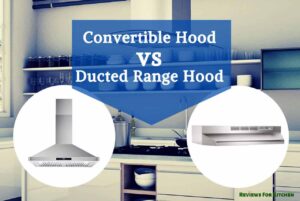
Think about how long you want to own this hood, what performance matters to you, and what budget makes sense. Then find the brand that checks those boxes. That’s your best brand—not because it’s the most famous, but because it’s the right fit for your situation. And if you’re comparing specific hood types, our guide on ducted vs convertible range hoods helps you understand performance differences alongside brand selection.